
Here’s something nobody tells you: you can be making real, measurable progress and still feel completely exhausted, stuck, and invisible, all at the same time. Not because something is wrong with you. But because your brain is wired to miss it.
I’ve been there. Most ambitious people have. You’re hustling, ticking boxes, maybe even hitting milestones, and yet you crawl into bed feeling like you’ve gotten absolutely nowhere. The tiredness isn’t just physical. It’s that heavy, dull weight of feeling exhausted in a way sleep doesn’t seem to fix.
This isn’t a motivation problem. It’s a perception problem. And once you understand what’s actually happening in your brain, you can stop being so hard on yourself and start actually feeling the progress you’re working so hard to make.
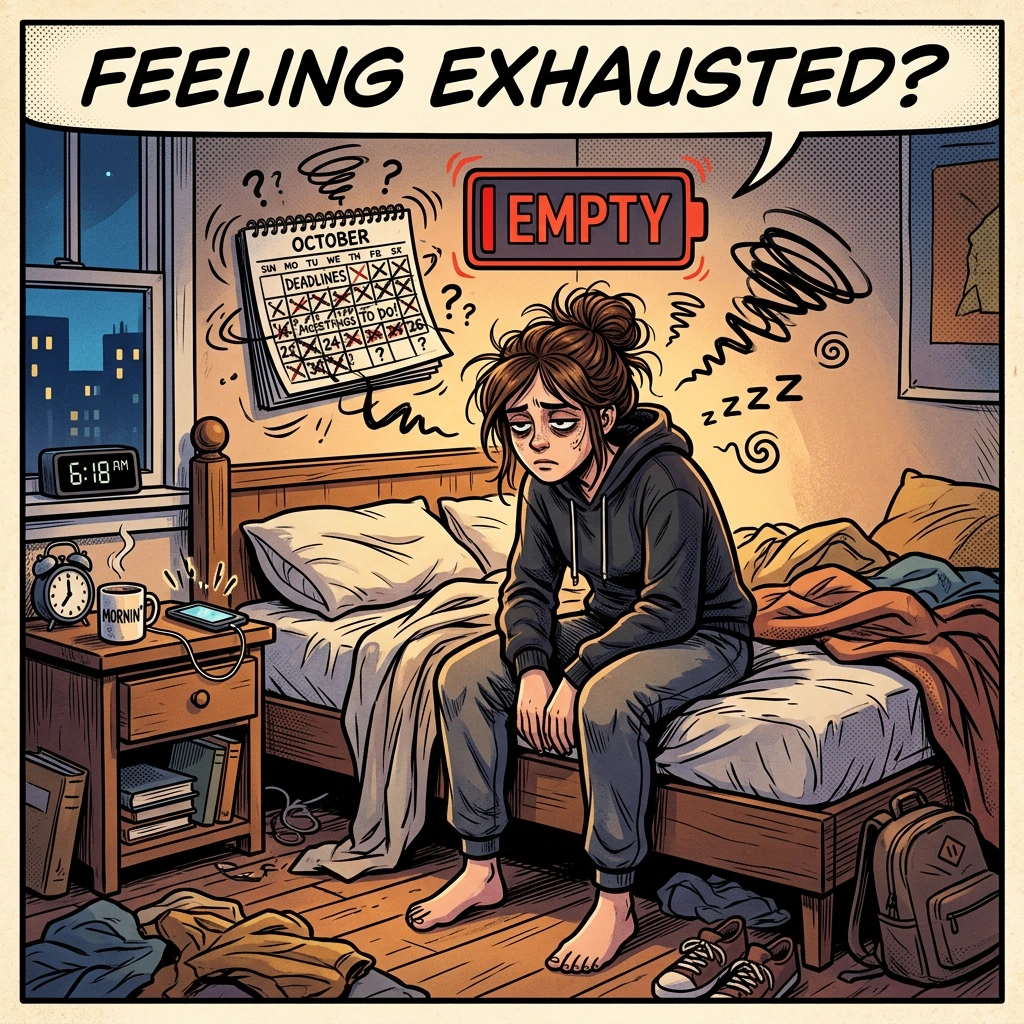
Why Tracking Progress Actually Matters
Let’s get one thing straight: feeling stuck is not the same as being stuck. But your nervous system doesn’t always know the difference, especially when you’re exhausted all the time and running on empty.
When we don’t actively measure and acknowledge our progress, the brain defaults to a dangerous question: “What have I done that matters?” And without evidence, it answers with silence. Or worse, it answers with a highlight reel of everything that went wrong.
Tracking progress isn’t about toxic positivity or obsessively journaling every win. It’s about giving your brain actual data to work with because, without it, you’re flying blind, and burnout has a much easier time convincing you you’re failing.
| QUICK INSIGHT Studies in behavioural psychology consistently show that people who regularly reflect on their progress report higher motivation, lower stress fatigue, and a stronger sense of identity even during difficult periods. |
Your Brain’s Bias Toward the Negative
Here’s the psychology behind why you feel exhausted even when you’re making progress: negativity bias. This is your brain’s deeply wired tendency to register bad experiences more intensely and more durably than good ones.
It’s evolutionary, actually. Our ancestors needed to remember threats more vividly than good days to survive. A beautiful sunset doesn’t eat you. A tiger might. So the brain got very, very good at cataloguing the bad stuff.
The modern problem? Your brain applies this same ancient logic to your career, your health, and your relationships. You could have 12 wins in a week, and one setback, and your end-of-week emotional summary will be written mostly about the setback. Sound familiar?
“Your brain is not a fair reporter. It’s a tabloid editor only printing the disasters.”
This is why so many people say things like “Why am I so tired when I haven’t even done anything?” or feel run-down despite technically making progress. The exhaustion isn’t from the work itself. It’s from the constant low-level stress of believing the work isn’t enough.
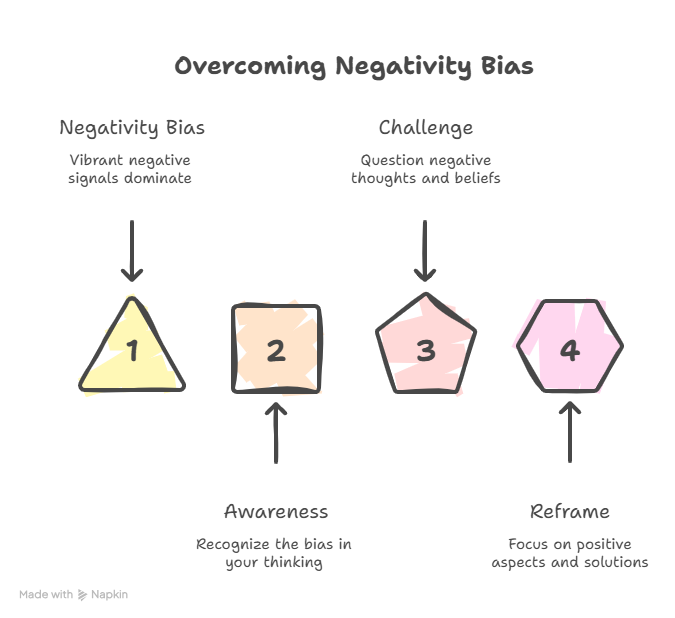
What This Looks Like in Real Life
You finish a big project. You also miss a smaller deadline. Three weeks later, what do you remember most vividly? Right. The miss. This is negativity bias in action, and it’s a core driver of emotional exhaustion and chronic fatigue, not because you’ve failed, but because your brain keeps replaying failure on loop.
Introducing the Evidence Journal
So what do you actually do about it? Enter: the evidence journal. This is not your grandmother’s diary. It’s not “Dear journal, today I felt sad.” It’s a deliberate, structured tool for correcting your brain’s skewed reporting.
The idea is simple but powerful: you build a personal case file of proof that you are, in fact, moving forward. When you feel drained, worn out, or stuck, you open this file and let the evidence speak louder than your feelings.
Think of it like being your own defence attorney. Your inner critic is constantly building a case against you. The evidence journal is your counter-argument, documented, specific, and real.
What to Record Daily (A Practical System)
Are you feeling Stuck? The magic of this only works if you actually use it. Here’s a simple daily framework that takes less than five minutes:
- One Thing You Did:
Not your best thing. Not something impressive. Just one concrete action you took today. Sent a difficult email? Write it down. Made it to the gym despite zero motivation? Write it down. Drank enough water? Write it down.
- One Feeling You Navigated:
Stress fatigue is often invisible because we don’t acknowledge the emotional labour of our days. Write down one hard emotion you moved through: anxiety, frustration, or fear of failure. Name it. That’s evidence of resilience.
- One Small Win:
This might feel uncomfortable if you’re used to dismissing small victories. But the brain needs small wins catalogued consistently to build a sense of forward motion. Don’t wait for big wins.
- One Thing You’re Carrying Forward:
What’s one thought, intention, or task that moves from today into tomorrow? This creates continuity the sense that your days aren’t isolated. That you’re not starting from zero each morning.
| Section | Prompt | Time Needed |
| Action | One thing I did today, no matter how small | ~30 sec |
| Emotion | One feeling I moved through today | ~30 sec |
| Win | One small thing that went right | ~45 sec |
| Bridge | One thing I’m carrying into tomorrow | ~45 sec |
The Weekly Identity Review – Feeling Stuck
Daily entries are the raw data. The weekly identity review is where you actually process it and where the real shift happens.
Once a week (Friday evenings work beautifully, or Sunday before the week begins), spend 15 to 20 minutes doing this:
- Read back your week’s entries.
All of them. Don’t edit. Just read.
- Ask: What kind of person showed up this week?
Not what did they achieve, but who were they? Persistent? Caring? Honest under pressure?
- Write three identity statements.
“I am someone who keeps going even when I’m tired.” Or: “I am building something even when I can’t see it yet.”
- Note one pattern you’re proud of.
Maybe you reached out when you felt isolated. Maybe you asked for help. Pattern recognition builds self-trust.
This ritual matters because identity precedes behaviour. When you start seeing yourself as someone who persists and does the work even when exhausted, the actions follow naturally. You stop motivating yourself through guilt and start moving through belief.
[ Insert image: Hands writing in a journal, soft lamplight, cup of tea — calm and restorative ]
Frequently Asked Questions
Everything you wanted to know but were too tired to Google.
Why do I feel exhausted all the time?
Chronic exhaustion is usually the result of multiple overlapping factors, physical, mental, and emotional. Sleep quality, nutritional deficiencies (like low B12 or iron), chronic stress, dehydration, and even the invisible labour of managing your emotions all contribute. If the tiredness is persistent and unexplained, speak to a healthcare provider.
Is feeling exhausted a sign of burnout?
It can be. Burnout is characterised by emotional exhaustion, a growing sense of cynicism or detachment, and a feeling that your efforts don’t matter. If those three things ring true alongside physical tiredness, burnout is worth taking seriously, not as weakness, but as information.
Can stress make you feel exhausted?
Absolutely. Stress fatigue is real and underestimated. When your nervous system is in a prolonged state of low-grade alert, it burns through energy reserves constantly, even when you’re technically doing “nothing.” The body treats psychological stress as a physical load.
Why do I feel exhausted even after sleeping enough?
Sleep quantity and sleep quality are different things. Poor sleep architecture leaves you feeling like you’ve barely slept. Stress, alcohol, screen exposure before bed, and an unregulated sleep environment can all sabotage quality despite sufficient hours.
What is the difference between tiredness and fatigue?
Tiredness is typically resolved by rest. Fatigue, especially chronic fatigue, persists even after adequate sleep and recovery. Fatigue can signal something systemic: a nutritional deficiency, an underlying medical condition, chronic emotional exhaustion, or burnout.
Can anxiety cause exhaustion?
Yes. Anxiety keeps the nervous system switched on often for hours or days at a time. That sustained activation is metabolically expensive. Many people with anxiety describe feeling tired but unable to sleep, or exhausted but unable to truly rest.
Can dehydration make you feel exhausted?
Significantly. Even mild dehydration, a 1–2% reduction in body water, can impair cognitive function, reduce physical performance, and produce feelings of fatigue and brain fog. Most adults walk around chronically under-hydrated without realising it.
What vitamin deficiency can cause exhaustion?
The most common culprits are Vitamin B12, iron, and Vitamin D. Magnesium deficiency is also increasingly recognised as a factor in fatigue and poor sleep quality.
When should I worry about chronic exhaustion?
If your exhaustion is persistent (lasting more than 2–3 weeks), is not relieved by rest, or is accompanied by other symptoms, such as unexplained weight change, pain, or persistent low mood, it’s worth seeing a doctor.
How do I recover when I feel mentally exhausted?
Mental exhaustion requires mental rest not just physical rest. That means reducing decision load, creating space for genuine downtime, re-engaging with activities that feel restorative, and addressing the source of the cognitive load where possible.
Tools That Can Help
Alongside building your evidence journal practice, here are some well-regarded products that address the physical side of exhaustion. Consider these a complement, not a substitute for understanding and addressing root causes.
| Product | Description |
| Vitamin B12 Supplement | Supports energy metabolism |
| Iron Supplement | Common deficiency linked to fatigue |
| Magnesium Glycinate | Supports relaxation and sleep |
| Electrolyte Powder | Combats hydration-related fatigue |
| White Noise Machine | Improves sleep continuity |
| Weighted Blanket | Supports calmer sleep |
| Sleep Tracker | Understand actual sleep patterns |
| Stress Journal | Identify emotional exhaustion triggers |
| Blue Light Glasses | Reduce late-night screen stimulation |
| Sunrise Alarm Clock | Gentler morning waking |
The Real Takeaway
You are probably doing better than you think. That sentence isn’t a platitude; it’s the result of what we’ve covered here. Your brain is biased against its own good news. The exhaustion you feel isn’t always evidence of failure. Sometimes it’s evidence that you’ve been carrying a lot and not giving yourself any credit for it.
The evidence journal and weekly identity review won’t fix a B12 deficiency or tell you when to see a doctor. But they will interrupt the story your brain keeps telling you, the one where you’re always behind, always failing, always running out of time.
Progress is quieter than it looks. It lives in the emails you answered when you didn’t feel like it. In the day, you chose rest over hustle and didn’t feel guilty. The fact that you’re here, still reading, still looking for ways to understand yourself better.
That counts. Start writing it down.
Identity Reinforcement Loop Series:
- Identity Reinforcement Loop: Self-Image
- Small Behaviours Change Your Identity
- The Stories You Tell Yourself Are Programming Your Life
- Small Wins Are Not Small: They Are Identity Evidence
- Why Inconsistency Destroys Confidence
- The Self-Trust Gap: Why You Stop Believing in Yourself
- Build Discipline Through Identity — Start Today
- Why You Feel Stuck(Even When You’re Making Progress)— You Are Here
This article is for informational purposes only and does not constitute medical advice. If you are experiencing persistent exhaustion, please consult a qualified healthcare professional.
Affiliate Disclaimer: Some of the links on this website are affiliate links. This means that if you click on a link and make a purchase, I may receive a small commission at no additional cost to you.








The article is good and insightful. The site is useful and professional.
Thank you for your feedback. we hope you learn valuable lessons in our “Identity Reinforcement Loop Series”.